Fecal Immunochemical Tests (FIT) are non-invasive diagnostic tools used primarily to screen for colorectal cancer (CRC) and precancerous lesions like polyps. As of 2025, FIT is the preferred first-line screening method globally due to its high accuracy and ease of use compared to older guaiac-based tests.
How FIT Works
- Antibody Technology: FIT uses specific antibodies to detect human hemoglobin in stool samples.
- Targeted Detection: It specifically identifies blood from the lower gastrointestinal tract (colon and rectum). Hemoglobin from the upper GI tract is typically digested and not recognized by the test.
- No Restrictions: Unlike older tests, FIT requires no dietary or medication changes before sampling because it does not react to non-human blood (e.g., from red meat) or vitamins.
Products and Pricing
Fecal Immunochemical Tests (FIT) are widely available, with at-home kits generally costing between $30 and $50 USD, and bulk options for clinical use priced lower per test. In most cases, these tests are covered by insurance or national health programs, resulting in little to no out-of-pocket cost for the patient.
At-Home FIT Products and Pricing
These products are designed for user-friendly home sample collection and are available from various online retailers and pharmacies.
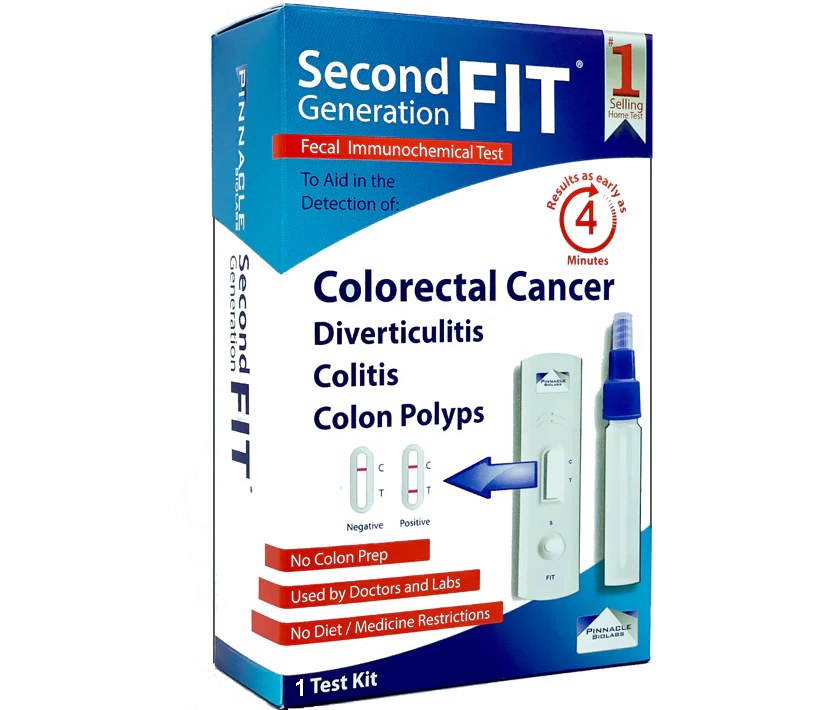
- Second Generation FIT® 1 Pack: Retails for approximately $31.99.
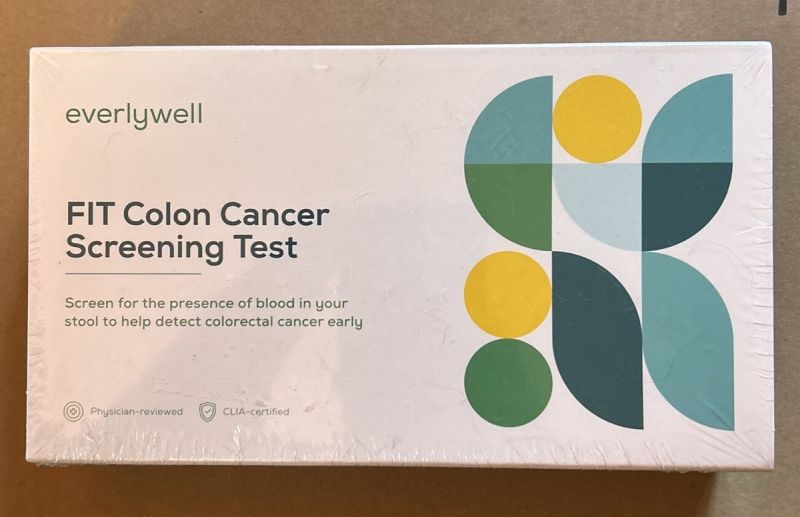
- Everlywell FIT Colon Cancer Screening Test: An at-home lab test kit available for $49.00.
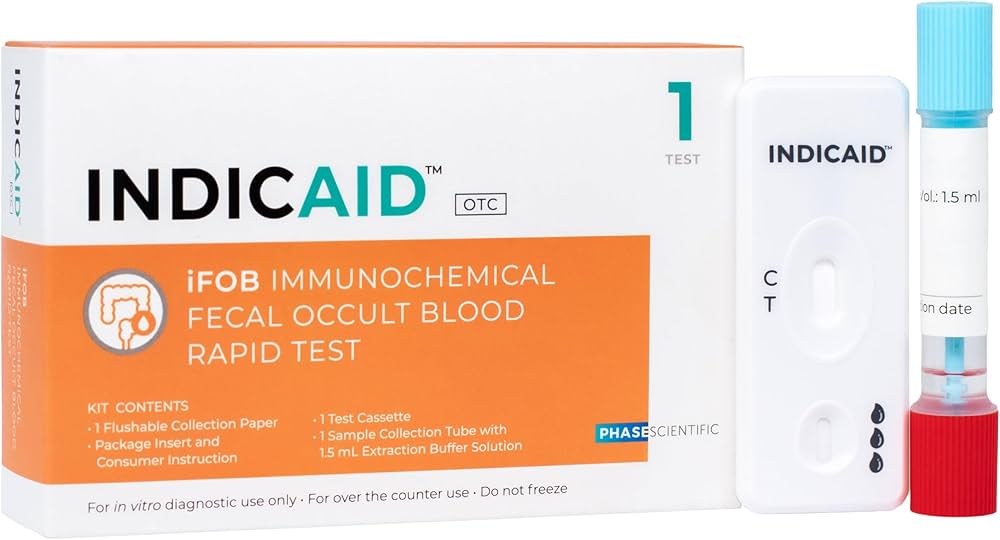
INDICAID Immunochemical Fecal Occult Blood Test (iFOB): A 2-pack kit is available on Amazon and is an FSA/HSA eligible expense.
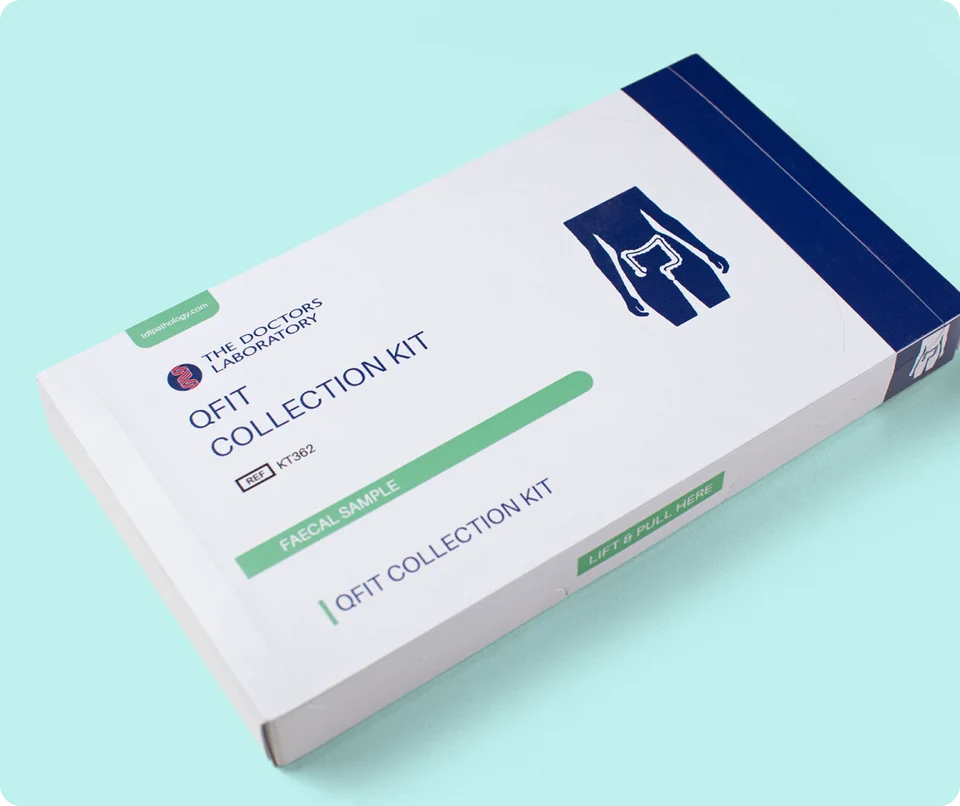
- Check4Cancer Bowel Cancer Screening Test (qFIT): Available in the UK for approximately £91 for an at-home kit.
Free References
Diagnostic accuracy of fecal immunochemical test in patients at increased risk for colorectal cancer: a meta-analysis
Colonoscopy versus Fecal Immunochemical Testing in Colorectal-Cancer Screening
Fecal immunochemical tests compared with guaiac fecal occult blood tests for population‐based colorectal cancer screening
Which fecal immunochemical test should I choose?
Comparative Performance of Common Fecal Immunochemical Tests
Leave a Reply