An Active-Implantable Cardiac Device (AICD) is a medical device surgically or medically introduced into the human body that relies on an internal or external source of electrical energy (or any power other than gravity or the body’s natural energy) to function. These devices are designed to remain in the body for at least 30 days to monitor, support, or regulate cardiac function.
In 2025, these devices continue to be classified as Class III medical devices, the highest risk category, requiring the most rigorous clinical and safety standards.
Best Examples of Active-Implantable Cardiac Devices
- Permanent Pacemakers (PPM): Small battery-operated devices implanted under the collarbone. They send electrical impulses through wires (leads) to the heart to maintain a regular rhythm, primarily used to treat bradycardia (slow heart rate).
Summary Comparison of Top 2025 PPM Products
| Manufacturer | Product Series | Key Feature |
|---|---|---|
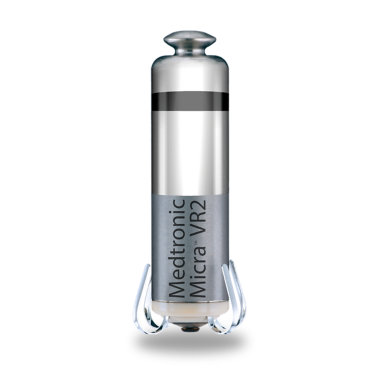
| Medtronic | Micra™ VR2 The cost of a Medtronic Micra™ VR2 pacemaker device for a healthcare provider is generally estimated to be around $10,000 USD. | Longest battery life for leadless (16+ years) |
| Abbott | 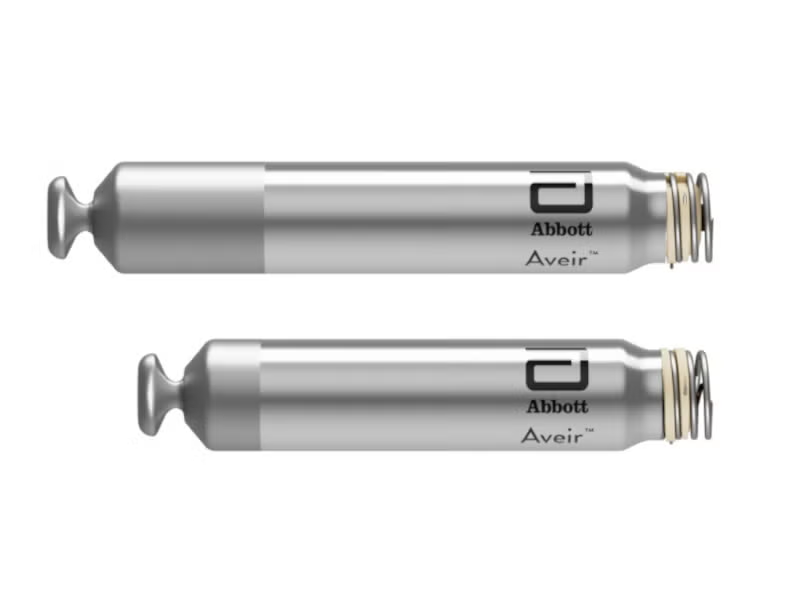 Aveir™ DR The device system, which includes both the right atrial (AR) and right ventricular (VR) leadless pacemakers and the necessary delivery catheters, has a listed cost to hospitals of around $24,000. | First dual-chamber leadless system |
| Boston Scientific | 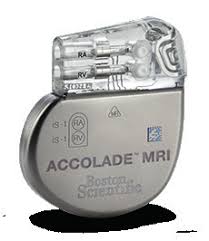 Accolade™ MRI The institutional and list prices for the Boston Scientific Accolade™ MRI family of pacemakers generally range between $10,000 and $14,000 USD for the device alone. | Respiration-based rate response |
| Abbott | 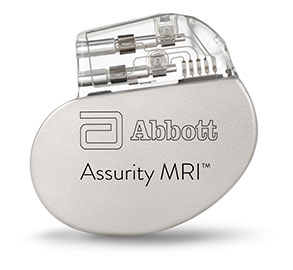 Assurity MRI™ The institutional and list prices for the Abbott Assurity MRI™ pacemaker family typically range between $7,000 and $18,000 USD for the device alone. | Compact design with long-term wireless monitoring |
| Biotronik | 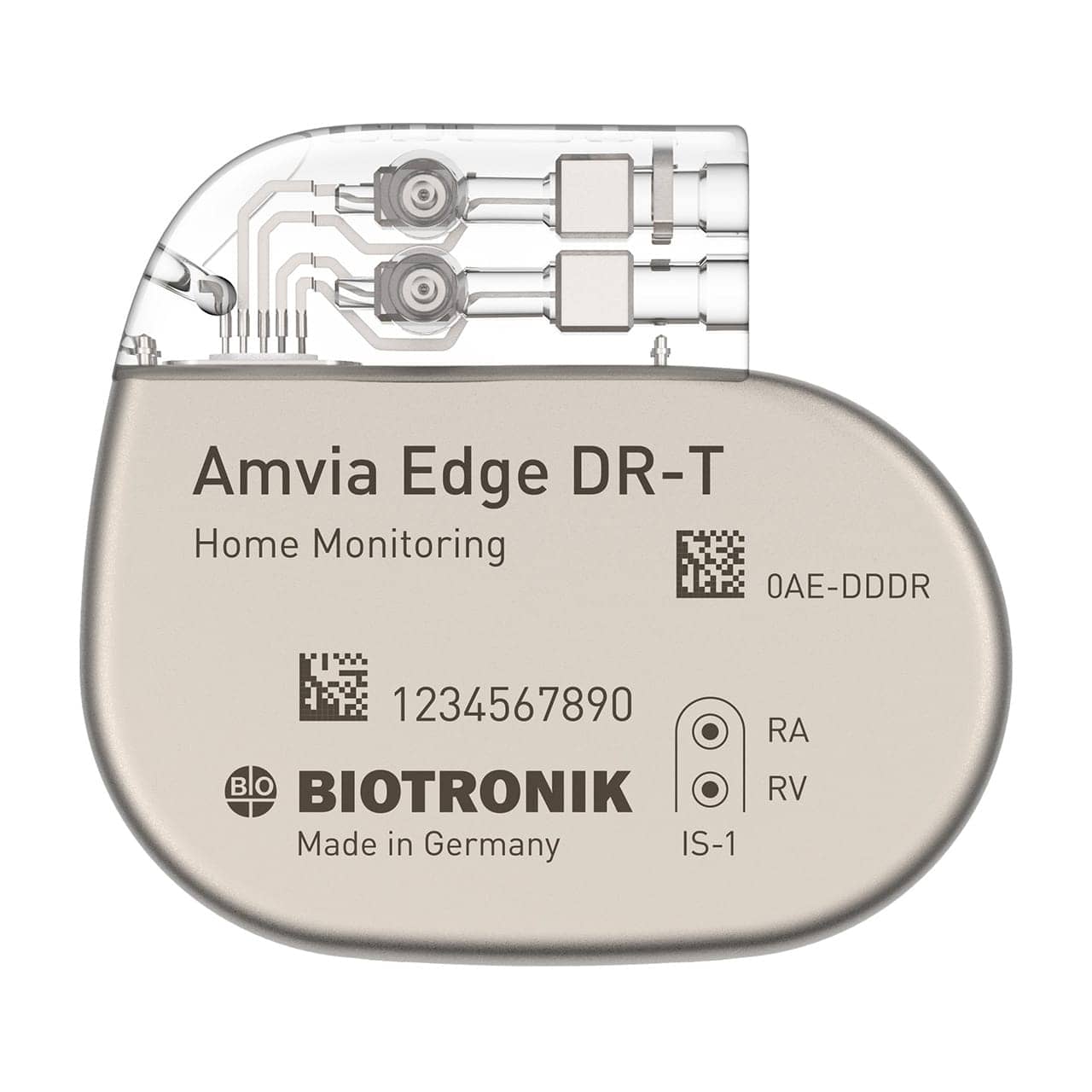 Amvia™ The institutional “list price” for the Biotronik Amvia™ family of pacemakers generally ranges from approximately $12,000 to over $18,900 USD for the device alone. | Exceptional remote monitoring ecosystem |
- Implantable Cardioverter Defibrillators (ICD): These monitor the heart’s rate and rhythm continuously. If a life-threatening, rapid heartbeat (arrhythmia) is detected, the device delivers a high-intensity electrical shock to reset the rhythm. Most modern ICDs also function as pacemakers.
Examples:
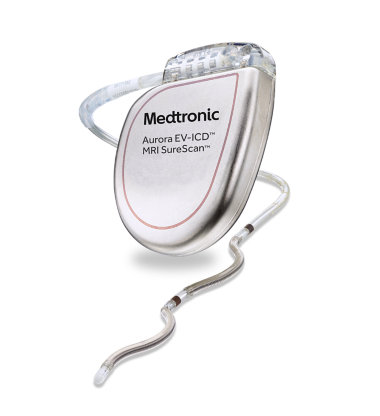 Aurora EV-ICD™ System: This is a notable product as it’s an extravascular system, placed outside the vascular space, which helps avoid complications associated with transvenous leads while still providing anti-tachycardia pacing (ATP).
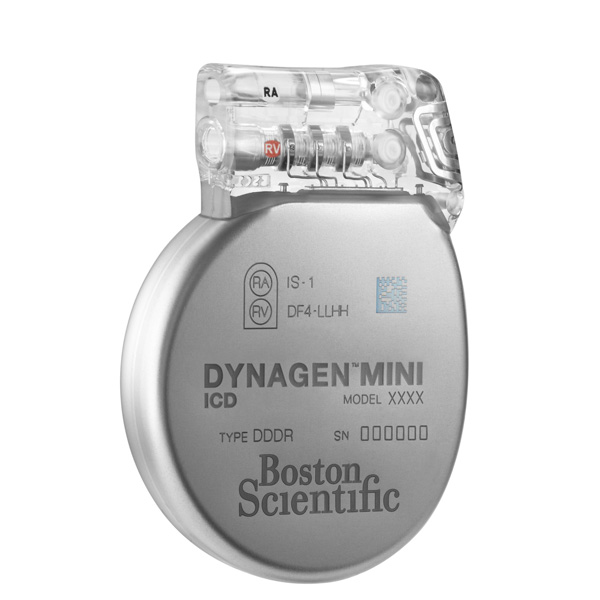 DYNAGEN™/INOGEN™ MINI ICDs: Marketed as some of the world’s smallest and thinnest ICDs, these are designed for enhanced patient comfort without sacrificing power. The list price for the Boston Scientific DYNAGEN™ MINI ICD device (model D022) is approximately $34,170.00.
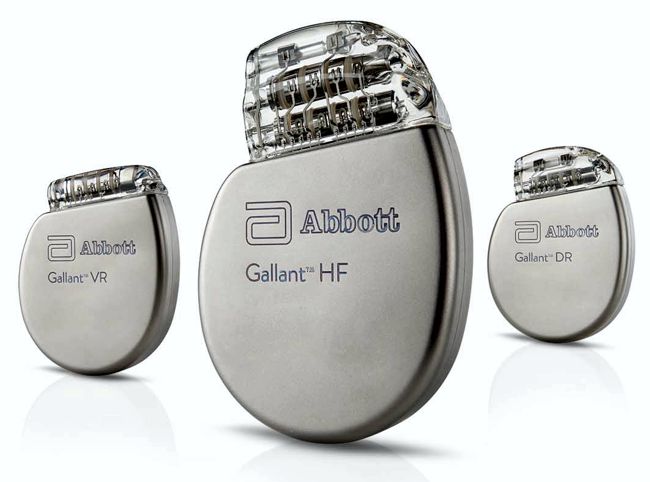 Gallant™ ICDs: These devices offer built-in smartphone connectivity for remote monitoring, enabling patients to stay connected with their care teams and allowing physicians to adjust programming intuitively. The list price for Abbott Gallant™ ICDs varies based on the specific configuration (Single-Chamber, Dual-Chamber, or CRT-D) and procurement channels. In the medical device secondary market, “in-date” (non-expired) Gallant units typically range from $8,000 to over $13,000.
Free References
Device longevity of a leadless pacemaker family
Battery longevity of a helix-fixation dual-chamber leadless pacemaker: results from the AVEIR DR i2i Study
Impact of magnetic fields from tablets, laptops, smartphones, and household/leisure magnets on cardiac implantable electronic devices
Temporary transvenous external pacing for cardiac MRI in a pediatric patient
Hitting the Wall: The Hidden Challenge of 2:1 Block in Pacemaker Patients
New Horizons in Nontransvenous Arrhythmia Management: Aurora Extravascular ICD
Alpha-loop technique in implantable cardioverter-defibrillator lead implantation for elementary school-age children: A case series
Implanting a gold-coated cardioverter-defibrillator as a solution to cardiac implantable device hypersensitivity: a case report
Leave a Reply